Understanding the Importance of Physical Health
Maintaining good physical health is vital for overall well-being and plays a significant role in enhancing various aspects of an individual’s life. Regular exercise serves as a cornerstone for achieving and sustaining a healthy lifestyle, offering a multitude of benefits that extend beyond mere aesthetics.
One of the most significant advantages of consistent workouts is their ability to reduce the risk of chronic diseases. Engaging in physical activities such as aerobic exercise, strength training, or even moderate walking can significantly lower the likelihood of developing conditions such as heart disease, diabetes, and obesity. By improving cardiovascular health and regulating blood sugar levels, effective workouts not only help in disease prevention but also contribute to a longer, healthier life.
Moreover, the impact of exercise on mental health cannot be overstated. Physical activity is known to promote the release of endorphins, which are often referred to as “feel-good” hormones. This biochemical process helps alleviate symptoms of stress, anxiety, and depression, leading to an improved mood and overall mental well-being. Regular participation in workouts fosters resilience, helps build self-esteem, and equips individuals with better coping mechanisms for life’s challenges.
Additionally, engaging in workouts enhances overall quality of life by promoting better sleep patterns and increased energy levels. A well-rounded exercise program enables individuals to perform daily activities with greater ease and efficiency. It fosters social interaction, whether through group classes or team sports, further contributing to the sense of community and belonging.
In summary, understanding the importance of maintaining good physical health through effective workouts underscores the substantial benefits it brings to both physical and mental well-being. By committing to regular exercise, individuals can pave the way for a healthier, happier, and more fulfilling life.
Setting Realistic Health Goals
Establishing health goals is a fundamental aspect of any fitness journey, as they provide direction and purpose. To ensure that these goals are attainable, it is essential to adopt the SMART criteria, which stands for Specific, Measurable, Achievable, Relevant, and Time-bound. These guidelines help individuals articulate their aspirations clearly and make them actionable.
Firstly, specificity is crucial in goal setting. A goal such as “I want to lose weight” lacks clarity. Instead, a more specific goal would be “I aim to lose 10 pounds in three months by exercising four times a week and following a balanced diet.” Specificity not only clarifies what is to be achieved but also helps in identifying the necessary steps to reach that target. Additionally, making goals measurable helps in assessing progress. By quantifying the goals, individuals can track improvements, which reinforces motivation.
Goals also need to be achievable. While it is commendable to aspire for significant changes, setting unreasonably high goals can lead to frustration and discouragement. When individuals assess their current fitness levels and lifestyle choices, they can set realistic targets that inspire incremental progress. Furthermore, aligning these goals with personal interests ensures relevance; when individuals pursue goals that resonate with them, adherence to their fitness plans becomes more natural.
Lastly, establishing a time frame is vital. Deadlines not only stimulate urgency but also help in breaking larger goals into manageable steps. For instance, one can set quarterly objectives that cumulatively lead to a larger annual goal. By applying this systematic approach, individuals are more likely to stay committed and engaged with their fitness routines, ultimately leading to better health outcomes.
Choosing the Right Workout for Your Needs
Finding the appropriate workout for your individual health goals is essential for maximizing the benefits of exercise. The diversity of workout types can offer various advantages, making it crucial to identify which aligns best with your preferences and objectives. One of the primary categories of workouts is cardiovascular exercise, often referred to as cardio. This type of exercise includes activities such as running, cycling, and swimming, and is effective for improving heart health, increasing endurance, and burning calories. Cardio sessions can vary in intensity and duration, allowing individuals to tailor their regimen based on personal fitness levels and goals.
Another essential type of workout is strength training, which focuses on building muscle mass and enhancing overall body strength. This can include using free weights, resistance bands, or bodyweight exercises like push-ups and squats. Strength training not only contributes to improved anatomical strength but also bolsters metabolism, as muscle tissue burns more calories at rest compared to fat tissue. Integrating strength training into your workout regime can aid in achieving balanced fitness and weight management.
Flexibility exercises, such as yoga and stretching routines, should not be overlooked as well. These workouts are vital for enhancing flexibility, reducing the risk of injury, and promoting recovery. Engaging in flexibility training can also help alleviate muscle tension and improve joint mobility, which are crucial for overall physical performance. Ultimately, choosing the right workout should encompass a combination of cardiovascular activities, strength training, and flexibility exercises tailored to your health aspirations. By considering your personal preferences and fitness goals, you can create a balanced workout regimen that not only fosters physical health but also supports emotional well-being.
Creating a Balanced Workout Routine
Designing a balanced workout routine is essential for achieving optimal health and fitness results. A well-structured schedule should incorporate various types of exercises, including cardiovascular training, strength training, flexibility work, and recovery periods. By diversifying your workout regimen, you can target different muscle groups, enhance overall fitness levels, and reduce the risk of injury.
To begin crafting your weekly workout plan, consider the four major components of fitness. Cardiovascular exercises such as running, cycling, or swimming improve heart health and endurance. Aim for at least 150 minutes of moderate-intensity aerobic activity each week. Incorporating strength training exercises, utilizing free weights or body-weight methods, at least two days a week is equally essential for building muscle mass and boosting metabolism.
Flexibility workouts, including yoga or stretching routines, should also be integrated into your plan to enhance mobility and prevent injuries. Devoting time to these activities can improve your overall range of motion and muscle recovery. Moreover, it can facilitate better performance in both cardiovascular and strength training exercises.
Equally important is the inclusion of rest days and active recovery periods. These are essential to allow the body to recover from intense workouts, preventing burnout and minimizing injury risks. Active recovery can include low-impact activities such as walking, gentle stretching, or yoga, which can promote blood flow to muscles and decrease soreness.
In conclusion, a balanced workout routine not only incorporates a variety of exercise types but also prioritizes rest and recovery. By thoughtfully organizing your weekly schedule to include these critical elements, you can more effectively improve your health and achieve your fitness goals.
Incorporating Nutrition for Optimal Health
To achieve optimal health, it is essential to understand the symbiotic relationship between nutrition and workout routines. Proper nutrition not only fuels the body for physical activity but also aids in recovery and enhances overall performance. Before embarking on a workout, it is crucial to consume a balanced meal or snack that provides the necessary nutrients, particularly carbohydrates and protein. Carbohydrates serve as the primary energy source, while protein is vital for muscle repair and growth.
A suggested pre-workout meal could include a banana paired with a small serving of nut butter or whole-grain toast with avocado. These options offer a combination of carbohydrates, healthy fats, and proteins, ensuring sustained energy levels throughout the workout. Additionally, hydration plays a key role in performance; hence, drinking sufficient water before exercising is crucial.
Post-workout nutrition is equally important for recovery. Consuming a meal or snack rich in protein and carbohydrates within two hours of completing an exercise session can significantly enhance muscle recovery. Ideal choices include a protein shake with fruits, Greek yogurt with granola, or grilled chicken with quinoa and vegetables. These meals promote muscle protein synthesis and replenish glycogen stores.
Meal preparation can greatly assist individuals in maintaining a balanced diet to complement their workout routines. By planning and prepping meals in advance, one can ensure consistent access to nutritious options that support fitness goals. Preparing sets of meals containing lean proteins, whole grains, and plenty of vegetables allows for convenience and adherence to dietary needs.
In addition to meals, having healthy snacks readily available can contribute to optimal health. Options such as mixed nuts, hummus with carrot sticks, or fruit smoothies can provide quick sources of energy and nutrients to sustain activity levels throughout the day. By embracing the interconnectedness of nutrition and exercise, individuals can enhance their performance and contribute positively to their overall health and wellbeing.
Tracking Your Progress and Staying Motivated
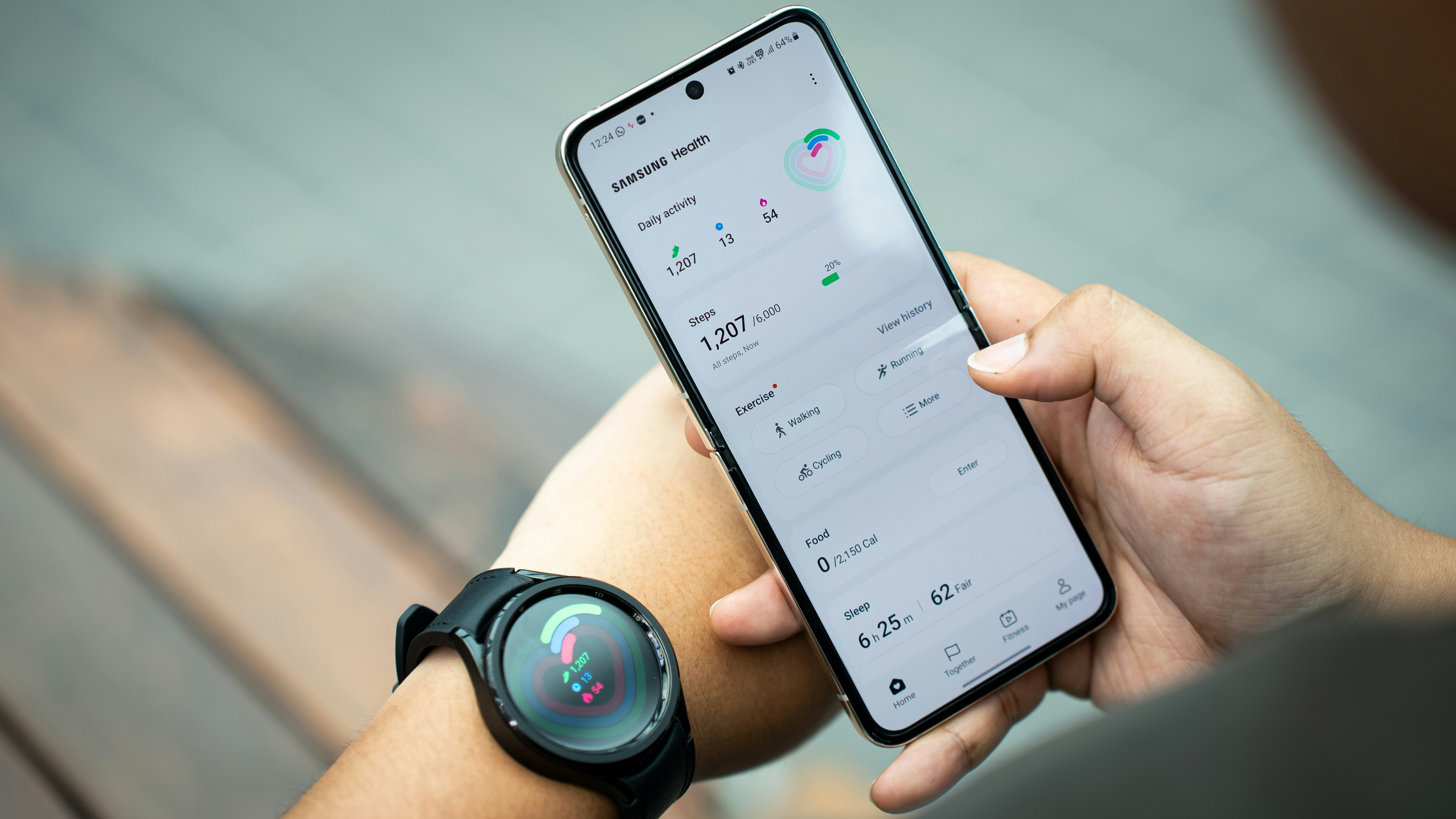
Monitoring your fitness journey is essential for effective workouts and achieving health goals. By keeping track of your progress, you can identify areas that require improvement and stay motivated throughout your fitness regimen. There are several tools and apps available that can aid in this process, each designed to provide detailed insights into your workouts, nutrition, and overall performance.
One effective method is using fitness tracking apps like MyFitnessPal or Fitbit. These applications allow you to log your workouts, track your caloric intake, and monitor your physical improvements over time. With user-friendly interfaces, they turn the often daunting task of tracking into a simple and manageable process. Moreover, they provide visual representations of your progress, which can be immensely motivating.
In addition to digital tools, keeping a fitness journal can also offer a tangible way to document your journey. Writing down your workouts, dietary habits, and personal reflections can help consolidate your experiences and highlight your achievements. Furthermore, a journal encourages you to reflect on your motivations, setbacks, and triumphs, ultimately fostering a deeper commitment to your fitness goals.
Operationalizing tracking methods is fundamental, but staying motivated is equally crucial. Setting short-term, achievable goals can keep you engaged and focused. For instance, if your aim is to increase your running distance, setting incremental distance goals can help maintain excitement and accountability. Additionally, engaging with a supportive community, whether online or in-person, can provide encouragement and alleviate feelings of isolation during challenging times.
Utilizing these strategies, along with regular progress updates, can establish a sustainable fitness routine. By combining effective tracking methods with motivational techniques, you can enhance your workout experience and maintain long-term commitment to your health journey.
Overcoming Common Roadblocks to Fitness
Achieving fitness goals often presents various challenges that can hinder one’s journey towards improved health. Common roadblocks include time constraints, lack of motivation, and injuries. Addressing these obstacles effectively is crucial for maintaining consistency and making progress in fitness endeavors.
Time constraints frequently pose a significant challenge for individuals trying to incorporate workouts into their busy schedules. To overcome this, consider setting realistic fitness goals and scheduling shorter, high-intensity workouts that maximize efficiency. Prioritizing physical activity by treating it as an essential appointment on your calendar can help ensure regular participation. Additionally, engaging in functional exercises that can be performed at home may save commuting time and allow for more flexibility.
A lack of motivation is another common barrier that many individuals face. Finding an activity that aligns with personal interests enhances enjoyment and commitment to regular workouts. Joining group classes or fitness communities can also foster camaraderie and provide the encouragement necessary to stay motivated. Creating a comprehensive plan that includes SMART (Specific, Measurable, Achievable, Relevant, Time-bound) goals can ignite motivation and keep you focused on your progress.
Injuries are another roadblock that can derail fitness ambitions. It is essential to approach exercise with a mindset that emphasizes safety and injury prevention. This includes proper warm-up routines to prepare muscles for exertion and listening to your body’s signals. Working with a fitness professional to design a tailored workout program that considers any existing injuries or limitations can facilitate a safe and effective path to health.
By implementing these strategies, you can effectively overcome the common barriers to fitness and continue your journey toward a healthier lifestyle. Persistence and adaptability play a vital role in navigating these challenges successfully.
The Role of Mental Health in Physical Fitness
The interplay between mental health and physical fitness is a significant area of interest for both health professionals and individuals seeking to enhance their well-being. Engaging in regular workouts has been widely recognized as an effective strategy for alleviating various mental health challenges, such as stress, anxiety, and depression. When individuals commit to a fitness routine, they often experience improvements not only in their physical health but also in their psychological state.
Physical activity triggers the release of endorphins, which are neurotransmitters that promote feelings of happiness and well-being. This biochemical response can lead to reduced feelings of tension and anxiety, fostering a more positive outlook on life. Regular workouts can act as a form of mindfulness, allowing individuals to concentrate on their movements and breathe, thereby distracting them from everyday worries. This mental break can be pivotal in managing stress levels and improving overall mood.
Moreover, cultivating a positive mindset is crucial in maximizing fitness success. A positive mental attitude can motivate individuals to adhere to their workout routines, set achievable fitness goals, and celebrate successes along their journey. Recognizing mental health as a critical component of physical fitness encourages individuals to develop resilience and maintain a sustainable fitness lifestyle. It also underscores the importance of creating a supportive environment that nurtures both emotional and physical growth.
Incorporating mental health practices, such as setting aside time for self-reflection, practicing gratitude, or even engaging in yoga or meditation, can complement physical fitness efforts. Ultimately, fostering both mental and physical well-being leads to a holistic approach to health, allowing individuals to achieve a balanced and fulfilling lifestyle.
Long-term Strategies for Maintaining a Healthy Lifestyle
To achieve long-lasting health benefits through workouts, it is essential to adopt long-term strategies that encourage a continuous commitment to physical activity and healthy living. One fundamental approach is to seamlessly integrate exercise into daily routines. This can be as simple as opting for stairs instead of elevators, parking further from store entrances, or incorporating short physical activity breaks during work hours. These small adjustments can collectively contribute to an active lifestyle without requiring significant time investments.
Another critical factor in maintaining a healthy lifestyle is the creation of a supportive environment. Surrounding oneself with like-minded individuals can provide not only motivation but also accountability. This can involve joining local fitness clubs, participating in group fitness classes, or simply working out with friends or family. Connecting with a community, whether online or in-person, fosters a sense of belonging and partnership, making the journey toward better health more enjoyable.
As individuals progress on their health journeys, it is crucial to adapt and evolve goals accordingly. Setting realistic, incremental objectives can help maintain enthusiasm and prevent feelings of discouragement as fitness levels improve. It is beneficial to periodically reassess personal health goals, ensuring they remain relevant and achievable. Coupling physical activities with varied interests, such as hiking, swimming, or dancing, can also enhance enjoyment and sustain long-term engagement.
Ultimately, focusing on a holistic approach to well-being that includes mental and emotional health is essential for long-term success. Incorporating mindfulness practices, adequate rest, and balanced nutrition alongside regular workouts can create a well-rounded strategy for sustaining a healthy lifestyle. Through continuous adaptation and a proactive mindset, individuals can ensure that healthy habits become a permanent aspect of their lives, leading to improved health outcomes over time.