





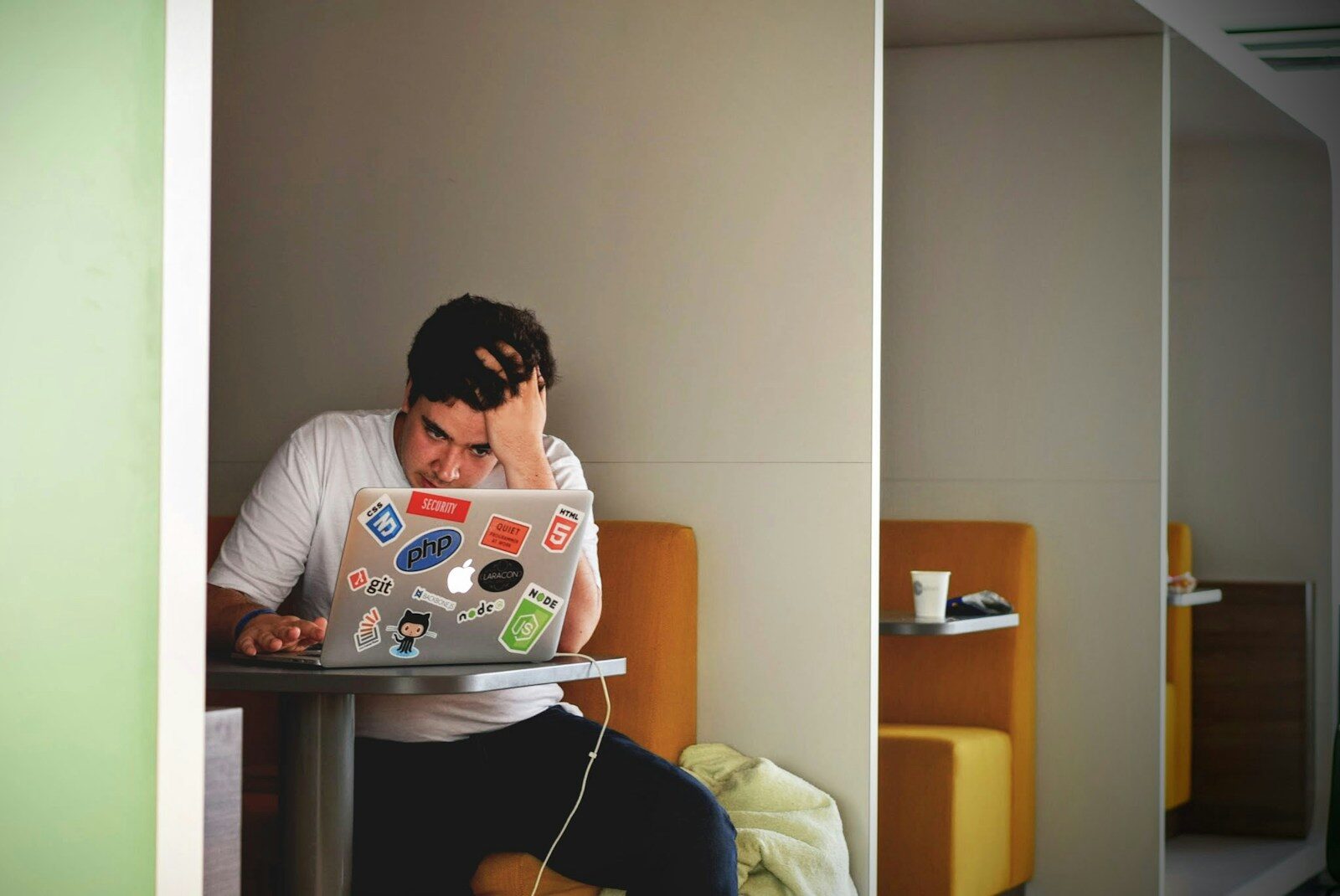

Why You Are Always You go to bed at a reasonable time. You sleep for seven, eight, or even nine hours. Yet when the alarm goes off, you still feel exhausted. Instead of waking up refreshed and ready for the day, you feel like you could sleep for several more hours.If this sounds familiar, you are not alone. Many people constantly ask why they are always tired even after sleeping well. They believe that getting more sleep will solve the problem, but the truth is often more complicated.
Low energy has become a common problem in modern life. People struggle to stay focused at work, feel exhausted by simple tasks, and depend on coffee or sugary snacks just to get through the day. Unfortunately, many never discover the real cause of their fatigue.
The truth is that sleep is only one part of the energy equation. Your body relies on proper nutrition, hydration, physical activity, stress management, and healthy daily habits to maintain good energy levels. When one of these areas is neglected, you may continue feeling tired no matter how many hours you spend in bed.
The good news is that understanding why you are always tired is the first step toward solving the problem. Small improvements in your daily routine can make a noticeable difference in how you feel every day.
Why You Are Always Tired: Poor Nutrition Can Drain Your Energy
One of the most common reasons people experience low energy is poor nutrition.
Food is your body’s fuel. Every movement you make, every thought you have, and every function your body performs depends on the nutrients you consume. When your diet lacks quality nutrition, your energy levels often suffer.
Many people start their day with foods that are high in sugar and low in nutrients. These foods may provide a quick burst of energy, but the effect rarely lasts. Soon afterward, energy levels drop, leaving you feeling tired, hungry, and looking for another quick fix.This cycle can continue throughout the day. You eat something sugary, feel energized briefly, and then experience another crash. Over time, this pattern can leave you feeling constantly exhausted.A balanced diet helps provide steady energy instead of temporary bursts. Natural foods support your body’s needs more effectively and help maintain consistent energy levels throughout the day.Eating regular meals is also important. Skipping meals can cause energy levels to drop and may increase cravings later in the day.
Many people who skip breakfast struggle with low energy before lunchtime.Simple improvements in nutrition can often have a significant impact on how you feel. Better food choices provide your body with the fuel it needs to perform efficiently and support healthy energy levels.Healthy Foods Many people are surprised by how much better they feel after making small changes to their diet.
Low Energy Can Be Caused by Dehydration
Another hidden reason for low energy is dehydration.Many people do not drink enough water during the day. They may consume coffee, tea, soft drinks, or other beverages while forgetting that their body still needs adequate hydration.
Water plays a role in nearly every function of the body. It helps transport nutrients, regulate temperature, support digestion, and maintain healthy circulation.
When your body lacks enough water, even mild dehydration can affect energy levels. You may feel tired, sluggish, or unable to concentrate.One reason dehydration is often overlooked is because its symptoms can be mistaken for other problems. Many people assume they are hungry or tired when they are actually thirsty.
Improving hydration is one of the simplest ways to support better energy levels. Drinking water consistently throughout the day can help reduce fatigue and improve mental performance.People often notice increased focus, improved mood, and better overall energy when they make hydration a daily priority.

Why You Are Always Tired: Stress Is Consuming Your Energy
Stress affects far more than your emotions.When you experience stress, your body enters a state of alertness. While this response can be helpful in short situations, constant stress can become exhausting.
Many people deal with ongoing stress related to work, finances, relationships, family responsibilities, or personal challenges. Even when they sleep well, their minds may never fully relax.This constant mental activity requires energy. Over time, stress can leave you feeling physically drained even if you have not done any demanding physical activity.
Low energy caused by stress is often difficult to recognize because the fatigue develops gradually.
You may begin feeling less motivated, less productive, and more exhausted during everyday tasks. Activities that once felt easy may suddenly seem difficult.Managing stress is an important part of improving energy levels. Finding healthy ways to relax can help reduce mental fatigue and support overall well-being.Walking outdoors, reading, spending time with family, and taking breaks during the day can all help reduce stress and improve energy.
Low Energy and Physical Inactivity Are Closely Connected
It may sound surprising, but a lack of physical activity can contribute to low energy.
Many people believe they should rest more when they feel tired. While rest is important, spending too much time inactive can actually make fatigue worse.
Physical activity helps improve circulation and supports overall health. It encourages the body to use energy more efficiently and helps maintain healthy stamina.
People who spend most of the day sitting often report feeling more tired than those who stay active.This does not mean you need intense workouts every day. Simple movement can be highly effective.Walking, stretching, gardening, or performing basic exercises can help increase energy naturally.
Regular movement also supports better sleep quality and can improve mood.Home Workout Many people notice significant improvements in energy after becoming more physically active.
Why You Are Always Tired: Sleep Quality Matters More Than You Think
Many people focus on the number of hours they sleep, but sleep quality is equally important.You can spend eight hours in bed and still wake up tired if your sleep is poor.Several factors can reduce sleep quality.
Stress, excessive screen time before bed, inconsistent sleep schedules, and uncomfortable sleeping environments can all interfere with restful sleep.
When sleep quality suffers, your body may not receive the recovery it needs.As a result, you may wake up feeling exhausted despite spending enough time asleep.Creating a healthy bedtime routine can help improve sleep quality. Going to bed at the same time each night and limiting distractions before bed can make a noticeable difference.Many people find that improving sleep quality helps them feel more energized without increasing the number of hours they sleep.
Low Energy and Daily Habits That Quietly Drain Your Body
Sometimes the cause of low energy is not one major problem but several small habits.Staying up late, skipping meals, spending excessive time on screens, and relying heavily on caffeine can all affect energy levels.
These habits may seem harmless, but their effects often add up over time.Many people depend on caffeine to stay alert. While caffeine can provide temporary energy, relying on it too heavily may lead to energy crashes later in the day.
Creating healthy daily routines helps support consistent energy levels.Small improvements often produce better long-term results than dramatic changes that are difficult to maintain.Healthy Breakfast
Conclusion
If you have been wondering why you are always tired even after sleeping well, the answer may be hidden in your daily habits.Poor nutrition, dehydration, stress, inactivity, poor sleep quality, and unhealthy routines can all contribute to low energy. These issues often work together, making fatigue feel like a normal part of life.
The good news is that many of these problems can be improved with simple changes. Eating better, drinking enough water, staying active, reducing stress, and improving sleep quality can help your body function more efficiently.You do not need a miracle solution to feel better. In most cases, small healthy habits repeated consistently can make a significant difference.
The next time you feel exhausted, remember that the solution may not be more sleep. It may be improving the daily habits that quietly drain your energy. When you support your body properly, better energy often follows naturally.https: Free Guide