







You wake up early to work out. You go for walks, do home workouts, or spend time at the gym. You sweat, feel tired, and believe you’re doing everything right. Then you step on the scale expecting results, but nothing changes.Sound familiar?
If you’re wondering why you’re not losing weight even if you exercise, you’re not alone. Thousands of people face the same problem every day. Many work hard but see little progress, which can be frustrating and discouraging.The truth is that exercise is only one piece of the weight loss puzzle. While physical activity is important, several hidden factors can stop your progress without you even realizing it. Some of these factors involve food choices, while others involve sleep, stress, recovery, and daily habits.
The good news is that once you understand why you’re not losing weight, you can make simple adjustments that lead to real and lasting results. In this guide, you’ll discover the most common mistakes people make and learn practical solutions that actually work.
Why You’re Not Losing Weight: The Hidden Food Mistakes That Stop Fat Loss
One of the biggest reasons why you’re not losing weight is eating more calories than your body burns. Many people think exercise automatically creates weight loss, but it is surprisingly easy to consume more calories than you realize.
For example, after a workout, you may feel hungry and reward yourself with snacks, sugary drinks, or larger meals. Unfortunately, these extra calories can quickly replace everything you burned during exercise.
Another common problem is portion size. Healthy foods are important, but eating too much of any food can slow weight loss. Many people underestimate how much they eat each day.Processed foods are another issue.
Foods that are high in sugar, refined carbohydrates, and unhealthy fats often contain a large number of calories while providing very little nutrition. These foods can leave you feeling hungry again shortly after eating.To improve your results:
- Eat more vegetables
- Choose lean proteins
- Reduce sugary drinks
- Limit processed foods
- Watch portion sizes
- Drink more water
Protein is especially important because it helps control hunger and supports muscle growth. Good protein sources include eggs, fish, chicken, beans, lentils, and Greek yogurt.When you focus on nutrient-dense foods, it becomes easier to stay satisfied while consuming fewer calories.Healthy Foods to Eat
Why You’re Not Losing Weight: Your Exercise Routine May Be Holding You Back
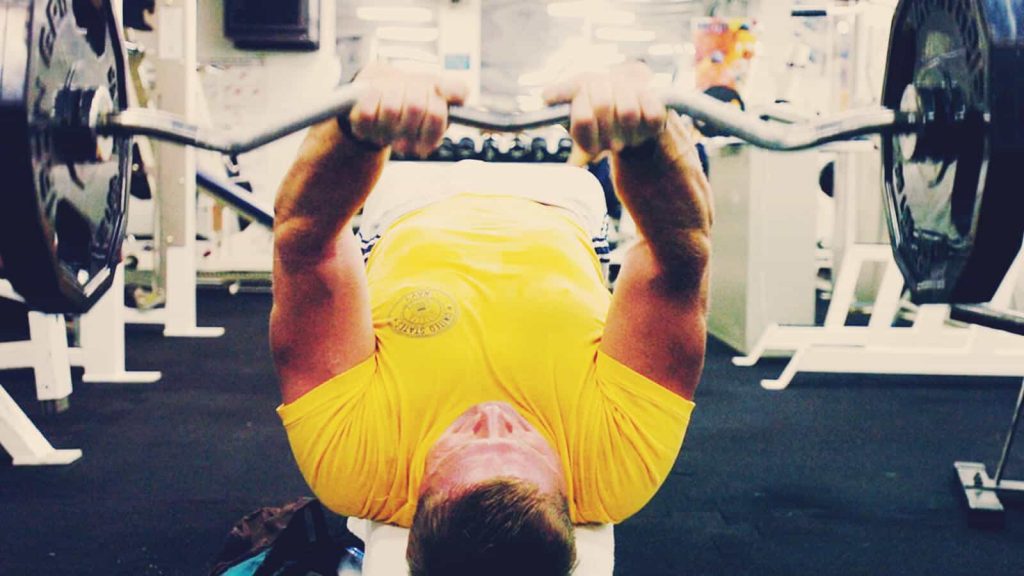
Many people believe that simply exercising is enough. However, not all exercise routines are equally effective.One reason why you’re not losing weight may be that your workouts have become too easy.
The body adapts quickly. If you perform the same routine every week, your body becomes more efficient and burns fewer calories doing the same activity.Progress requires challenge.You can improve your workouts by:
- Increasing repetitions
- Adding more sets
- Walking longer distances
- Increasing workout intensity
- Adding strength training
Strength training is one of the most effective ways to support weight loss because muscle tissue burns more calories than fat tissue. Building muscle can help increase your metabolism over time.Simple exercises such as squats, push-ups, lunges, planks, and step-ups can be very effective even without gym equipment.
Another mistake is focusing only on cardio. While walking, jogging, and cycling are excellent activities, combining cardio with strength training often produces better long-term results.Consistency is more important than intensity. A moderate workout routine followed regularly is usually more effective than extreme workouts performed occasionally. Home Workout Plan for Beginners Remember, the best exercise routine is the one you can continue for months and years.
Why You’re Not Losing Weight: Sleep and Stress Could Be the Real Problem
Many people completely ignore sleep and stress when trying to lose weight. Yet these factors can have a huge impact on your progress.Poor sleep affects hormones that regulate hunger and appetite. When you do not get enough rest, your body often produces stronger hunger signals and increased cravings for high-calorie foods.
Lack of sleep can also reduce your energy levels, making it harder to stay active and make healthy decisions throughout the day.
Most adults should aim for seven to nine hours of quality sleep each night.Stress creates another challenge. When stress levels rise, many people turn to comfort foods. Emotional eating can add hundreds of extra calories without solving the underlying problem.
Chronic stress can also affect hormones that influence fat storage.Simple stress management techniques include:
- Daily walks
- Reading
- Meditation
- Deep breathing
- Spending time outdoors
- Talking with supportive friends
Small improvements in sleep and stress management can dramatically improve your weight loss journey.Many people are surprised to discover that better sleep helps them lose weight more effectively than adding another workout session.
Why You’re Not Losing Weight: You Are Expecting Results Too Quickly
One of the biggest reasons why you’re not losing weight is impatience.Modern culture encourages instant results. People expect dramatic transformations within days or weeks. Unfortunately, healthy weight loss does not happen overnight.
Real progress takes time.Your body may be improving in ways that are not immediately visible on the scale.For example:
- You may be building muscle
- Your energy levels may improve
- Your endurance may increase
- Your clothes may fit better
- Your waistline may shrink
These are all signs of progress.Weight naturally fluctuates due to water retention, food intake, and other factors. This is why focusing only on the scale can be misleading.Successful people focus on habits instead of daily weight changes.Ask yourself:
- Am I eating better?
- Am I exercising consistently?
- Am I drinking enough water?
- Am I sleeping well?
If the answer is yes, progress is likely happening even if you cannot see it yet Weight Loss Tips Patience is often the missing ingredient in successful weight loss.
Why You’re Not Losing Weight: Common Mistakes Most People Never Notice
There are several hidden mistakes that quietly stop progress.Skipping Meals Many people believe eating less automatically leads to faster weight loss.In reality, skipping meals often causes extreme hunger later in the day, leading to overeating.
Drinking Your Calories
Soft drinks, sweetened coffee drinks, fruit juices, and energy drinks can add a surprising number of calories.Not Eating Enough Protein Protein helps control hunger and supports muscle maintenance.Sitting Too Much Even if you exercise for one hour, spending the rest of the day sitting can reduce overall calorie expenditure.
Following Extreme Diets Extreme diets are difficult to maintain and often lead to weight regain.
Comparing Yourself to Others Everyone’s body responds differently. Comparing your journey to someone else’s can create unnecessary frustration.Giving Up Too Soon Many people quit just before they start seeing results.The key is staying consistent long enough for healthy habits to work.
What Actually Works for Healthy Weight Loss
Now that you know why you’re not losing weight, let’s focus on what actually works.Successful weight loss is built on simple habits:
- Eat more protein
- Eat more vegetables
- Drink plenty of water
- Walk daily
- Strength train regularly
- Sleep seven to nine hours
- Manage stressTrack your progress
- Stay consistent
Notice that none of these strategies are complicated.There is no secret pill.There is no magic workout.There is no shortcut.
The people who achieve lasting results usually follow basic healthy habits consistently over time.Small improvements repeated every day create powerful long-term results.
Conclusion
If you’ve been asking yourself why you’re not losing weight even if you exercise, remember that exercise is only part of the solution. Nutrition, sleep, stress management, recovery, and consistency all play important roles.
The good news is that most weight loss obstacles can be fixed. Small changes in your daily habits can lead to significant improvements over time.Instead of looking for quick fixes, focus on building a healthy lifestyle you can maintain long term.
Eat nutritious foods, stay active, sleep well, and trust the process.Weight loss is not about perfection. It is about making better choices more often than not.Keep going. Every healthy decision moves you one step closer to your goals, and the results will come if you stay consistent.Free Tips